
Filter:
2014-10-31
Pokalbio “Kūryba ir tapyba” su Jurga Barilaite, Augustinu Beinaravičiumi ir Gintaru Makarevičiumi garso įrašas
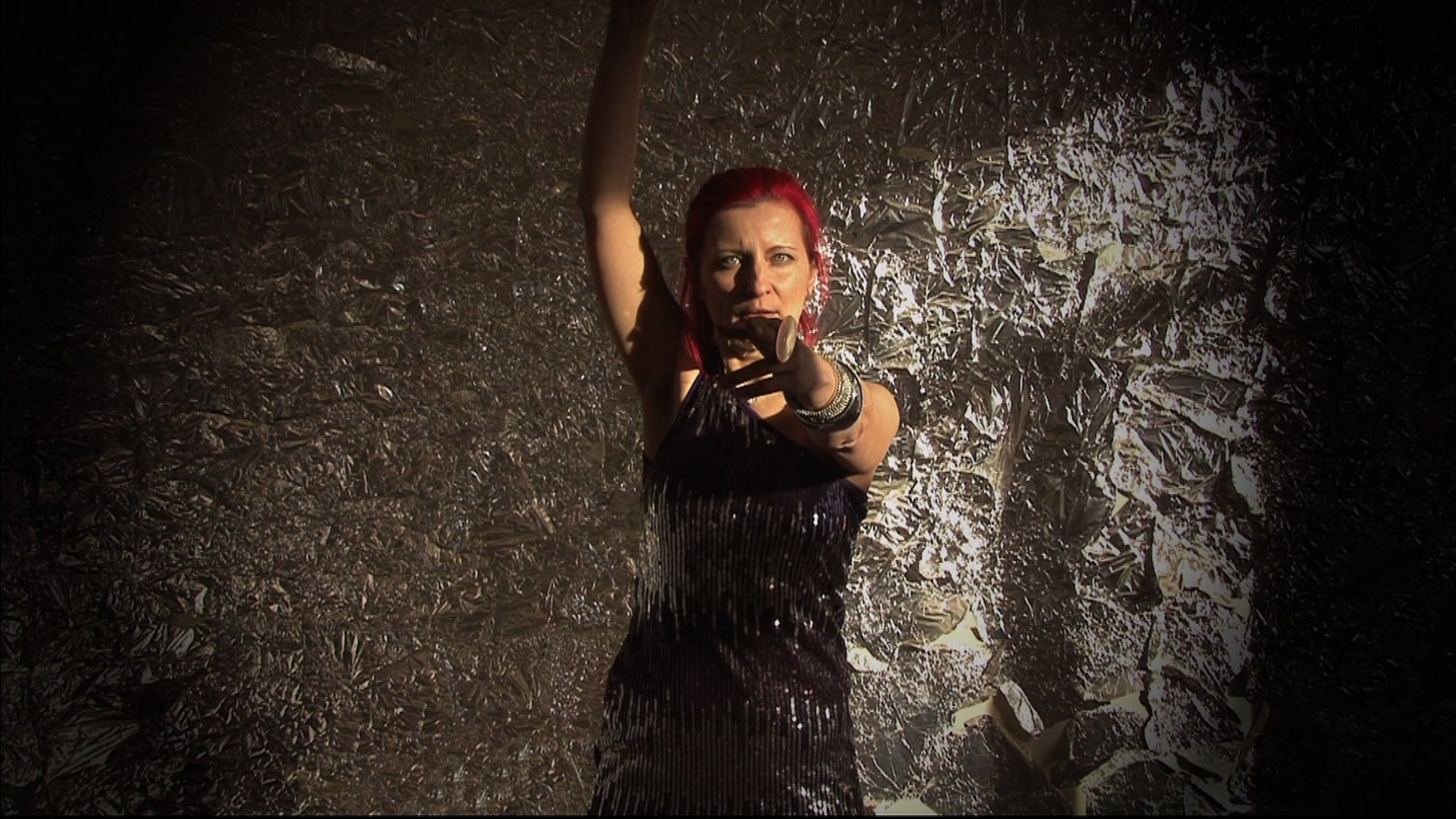
Pokalbių vakaras LTMKS projektų erdvėje „Malonioji 6“
Jurga Barilaitė, Augustinas Beinaravičius ir Gintaras Makarevičius
„Kūryba ir tapyba“
2014 m. spalio 22 d. 18:30
Malonioji g. 6, Vilnius
Pokalbio garso įrašas
2014-10-16
Food-Biotechnology-Biocoloniality in Nida
Between October 13th and November 1st 2014 Nida Art Colony is a home and studio for a group of artists and scientists from the world working on issues of biotechnology, biopolitics and similar issues.
2014-10-14
Pokalbio su Julijumi Balčikoniu ir Vsevolod Kovalevskij apie autobiografiškumo transformacijas kūryboje įrašas
2014 m. spalio 8 d. LTMKS projektų erdvė “Malonioji 6” vyko dviejų menininkų LTMKS narių Julijaus Balčikonio ir Vsevolod Kovalevskij pokalbis apie autobiografiškumo transformacijas kūryboje.
2014-09-30
Architektų Kęstučio Lupeikio ir Gintaro Kuginio pokalbio 2014 m. rugsėjo 24 d. garso įrašas
2014 m. rugsėjo 24 d. LTMKS projektų erdvėje “Malonioji 6” vyko LTMKS narių architektų Kęstučio Lupeikio ir Gintaro Kuginio pokalbis apie kasdienę kūrybą.
2013-10-23
In the Graveyards of Interdisciplinarity (?)
Curators of the project: Danutė Gambickaitė, Gintarė Matulaitytė
When interdisciplinarity comes across as a given, there seems to be little need for new definitions. Many an artist of the young generation have long since ceased using the word “interdisciplinarity” when discussing their own work. They make no attempt to revisit the concept or reinvigorate it in any other way. Still, the concept does come up in contemporary art, albeit in a somewhat odd manner. One often encounters a peculiar concept of interdisciplinarity – or a conceptual bubble – which is self-contained and can serve as a safe format.
The artists in the exhibition were invited to attend a talk with the concept and/or the curator. The topic for this talk is the role of interdisciplinarity in the context of contemporary art and their own oeuvre. Online catalogue here.
2013-04-05

Migrating Art Academies
Migrating Art Academies (MigAA) is a platform for innovation and exchange in arts teaching and research. It is a network of universities and associated partners across Europe (including Finland, France, Germany, Estonia, Latvia, Lithuania, UK, Russia and other countries). The model uses the concept of migration – of resources, people, competencies, disciplines – as a method of producing knowledge which aspires to expand traditional educational systems. Since 2008 MigAA has developed a distributed model for networking and communication based on creative laboratories, including workshops, conferences and public presentations. The MigAA network is forming a strong international expert and tutor board.
2012-02-05
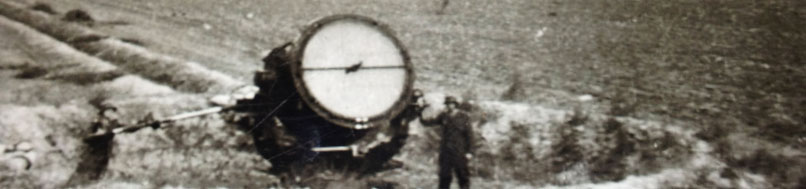
Abandoned Mystery
Abandoned Mystery is a Multi/Inter/Trans/Cross/Non-disciplinary Expedition pilot project on exploring the constitution of the phenomena of abandoned military sites of the European edges in the Baltic Sea area. (Pre-WWII fortifications, Soviet military heritages in Koenigsberg/Kaliningrad, Memel/Klaipeda and Riga, Curonian Spit, Vyborg, Karelian Isthmus/Russia, Liepaja, Vainode, Skrunda/Latvia as well as Porkkala, Suomenlinna, Miehikkälä/Finland and Plateliai, Gulbiniskiai, Rimsai/Lithuania).
2011-10-05
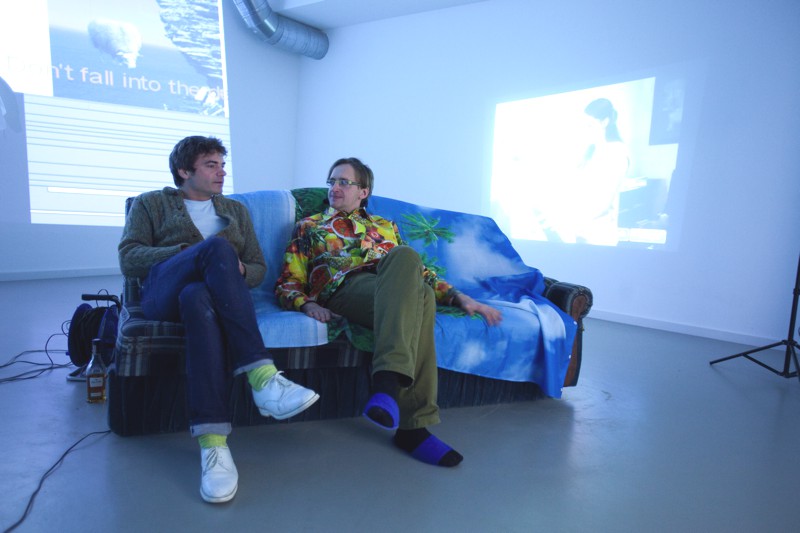
WebJs
From tackling boring politicians to celebrating fishing trophies, a two month long (October-November 2011) project has given Lithuanian artists a much-needed boost in net-based art.
WebJs, a mix of eight weeks research, internet folklore and an endless stream of internet data, is the result of a residency programme in Nida Art Colony, supported by the Lithuanian Interdisciplinary Artist’s Association. Dirk Paesmans from the JODI.org collective (Dirk Paesmans & Joan Heemskerk) was joined by Lithuanian artists Darius Miksys, Irma Stanaityte, Andrius Kviliunas, Robertas Narkus, and Linas Ramanauskas.