
Filter:
2013-04-24
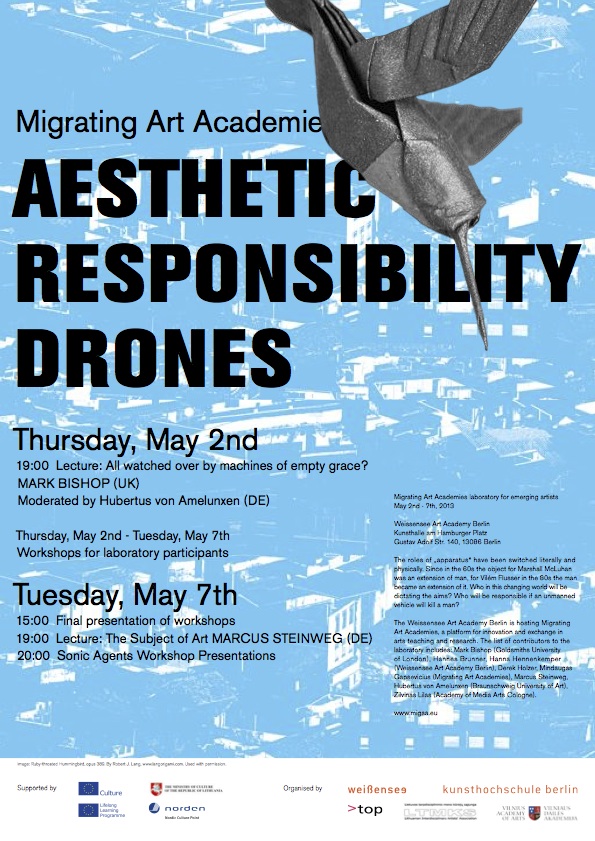
Aesthetic – Responsibility – Drones
We are happy to invite you to the Mark Bishop (Goldsmiths University of London) lecture “All watched over by machines of empty grace?” on the 2nd of May and Marcus Steinweg (Braunschweig University of Art) lecture “The Subject of Art” on the 7th of May at Kunsthalle am Hamburger Platz, Berlin. Along the Marcus Steinweg lecture there are a number of presentations of works done during the “Aesthetic – Responsibility – Drones” laboratory which is a part of Migrating Art Academies programme.
2013-04-05

Migrating Art Academies
Migrating Art Academies (MigAA) is a platform for innovation and exchange in arts teaching and research. It is a network of universities and associated partners across Europe (including Finland, France, Germany, Estonia, Latvia, Lithuania, UK, Russia and other countries). The model uses the concept of migration – of resources, people, competencies, disciplines – as a method of producing knowledge which aspires to expand traditional educational systems. Since 2008 MigAA has developed a distributed model for networking and communication based on creative laboratories, including workshops, conferences and public presentations. The MigAA network is forming a strong international expert and tutor board.
2013-03-31
The Imaginary BWPWAP Transmediale
By Mindaugas Gapševičius
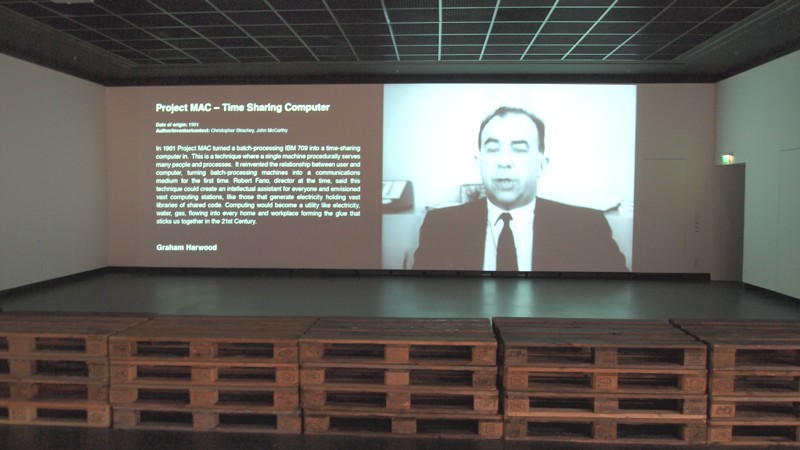
BWPWAP, the acronym for the 2013 Transmediale festival Back When Pluto Was a Planet, invites the viewer to turn her gaze to the past and daydream about phenomena that happened, about the meaning of science in contemporary world, or to simply reflect on ever-changing processes. Once upon a time, back when Pluto was still considered a planet…

2012-02-05
Abandoned Mystery
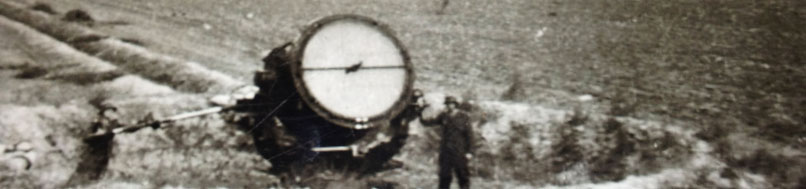
Abandoned Mystery is a Multi/Inter/Trans/Cross/Non-disciplinary Expedition pilot project on exploring the constitution of the phenomena of abandoned military sites of the European edges in the Baltic Sea area. (Pre-WWII fortifications, Soviet military heritages in Koenigsberg/Kaliningrad, Memel/Klaipeda and Riga, Curonian Spit, Vyborg, Karelian Isthmus/Russia, Liepaja, Vainode, Skrunda/Latvia as well as Porkkala, Suomenlinna, Miehikkälä/Finland and Plateliai, Gulbiniskiai, Rimsai/Lithuania).
2011-10-05
WebJs
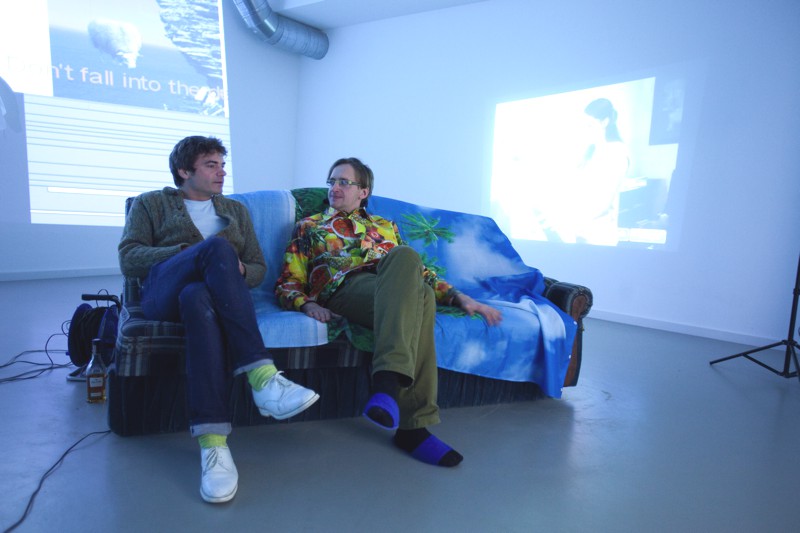
From tackling boring politicians to celebrating fishing trophies, a two month long (October-November 2011) project has given Lithuanian artists a much-needed boost in net-based art.
WebJs, a mix of eight weeks research, internet folklore and an endless stream of internet data, is the result of a residency programme in Nida Art Colony, supported by the Lithuanian Interdisciplinary Artist’s Association. Dirk Paesmans from the JODI.org collective (Dirk Paesmans & Joan Heemskerk) was joined by Lithuanian artists Darius Miksys, Irma Stanaityte, Andrius Kviliunas, Robertas Narkus, and Linas Ramanauskas.
2008-08-05
Imaginary Identities In Contemporary Lithuanian Art
By Audronė Žukauskaitė
Art & Research
An earlier version of this paper was published as ‘Vanishing identities in contemporary Lithuanian art’ in Philosophy. Sociology (Filosofija. Sociologija), issue: 3-4 / 2006, pages: 37-41. www.ceeol.com
In this article I intend to discuss how the recent political changes in Eastern Europe relate to the more fundamental changes in the political imagery. When interpreting political imagination we should consider not only imaginary identifications, e.g. imaginary roles, but also take into account its symbolic framework and raise the question who is the Other, for whom the subject is playing his or her role.